Commercial turf management
Turf care for commercial properties and HOAs in Riverside and the Inland Empire: mowing, fertilization, aeration, weed control and irrigation tuning that keep functional turf healthy, green and well kept year-round. With AB 1572 approaching, we also help you separate the lawns people use from decorative turf that may be better converted.
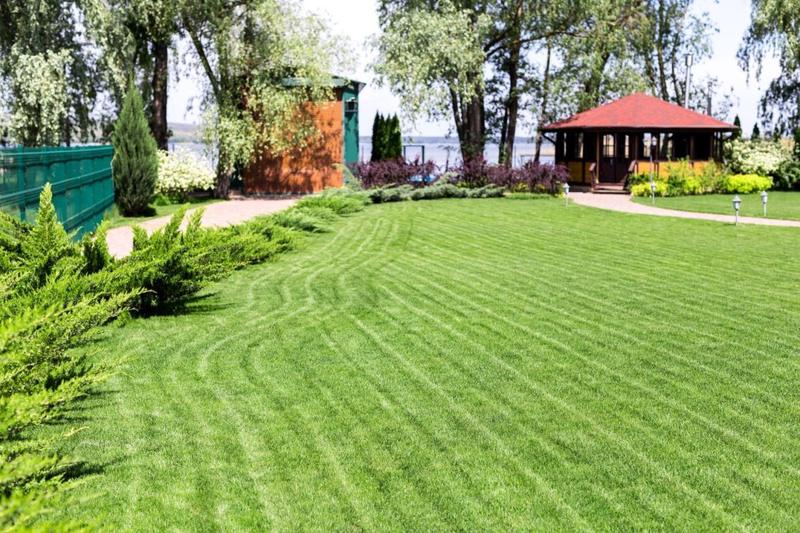
Commercial turf care in the Inland Empire
What a typical turf program includes. We set frequency and timing for your grass type, foot traffic and appearance standards.
- Mowing on a seasonal schedule. Weekly through the warm season in most cases, adjusted as growth slows in cooler months.
- Edging & trimming. Clean lines along walks, curbs and beds, and around signs, fixtures and tree rings.
- Fertilization program. Applications timed to grass type and season for steady color without forcing excess growth.
- Weed monitoring & control. Broadleaf and grassy weeds addressed early, before they spread across a lawn.
- Core aeration. Relieves compaction from foot traffic so water, air and nutrients reach the root zone.
- Overseeding & patch repair. Thin, worn or damaged areas restored at the right time of year for your turf type.
- Irrigation tuning. Head adjustments and run-time changes for even coverage, fewer dry spots and no runoff onto paving.
- Functional-turf review. A map of which lawns are used for recreation or gatherings, and which are decorative, ahead of AB 1572.
A typical turf year in the Inland Empire
Most commercial lawns here are warm-season grasses such as bermudagrass or St. Augustine, or cool-season tall fescue. Each has its own mowing height, feeding window and best time for aeration, so every program starts by identifying what is actually growing on your site.
Spring
Growth picks up: aeration where compaction calls for it, the first feeding of the year, early weed control and irrigation checks as run times increase.
Summer
Weekly mowing at the right height for the heat, a close watch for dry spots and broken heads, and feeding matched to your grass type.
Fall
Overseeding and patch repair where cool-season turf needs it, a fall feeding, and controller adjustments as temperatures drop.
Winter
Growth slows and mowing frequency drops. Controllers are set back for cooler weather and rain, and it’s a good time to plan next year’s scope.
Why turf care is worth doing well
First impressions
Turf is often the largest green surface a visitor sees. Even color and clean edges signal a property that is cared for.
Water that does its job
Deep-rooted turf on a tuned irrigation system uses water more effectively than stressed grass on overspraying heads.
Fewer surprises
Regular attention catches dry spots, broken heads, compaction and weeds early, while fixes are still small.
How we set up your turf program
A written plan up front means everyone knows what happens on each visit, and when.
Turf assessment
Grass type, density, compaction, irrigation coverage and how each area is actually used.
Seasonal plan
Mowing frequency, fertilization and aeration timing set out in writing for the year ahead.
Routine care & check-ins
Visits on schedule, with a note to your manager whenever something needs a decision.
See also · AB 1572
Is your turf functional?
Under AB 1572, decorative turf at commercial, industrial and institutional properties can no longer be watered with drinking water from January 1, 2028, and HOA common areas follow in 2029. Lawns people use for recreation or gatherings are generally exempt. We can map which is which on your site.
How AB 1572 worksTurf management FAQ
Which turf counts as “functional” under California's AB 1572?
Generally, turf used for recreation or community events, such as sports fields, play areas and gathering lawns, is functional. Decorative turf in medians, parking lots and along streets is typically nonfunctional. Your local water supplier makes the final determination for your property.
How often should commercial turf be mowed?
In the Inland Empire's warm season, most commercial turf needs weekly mowing; frequency drops in cooler months. We set a schedule based on grass type, foot traffic and your appearance standards.
Do you aerate and overseed?
Yes. Core aeration relieves compaction from foot traffic and helps water reach the root zone. We time aeration and overseeding to your turf type and the season.
Related services
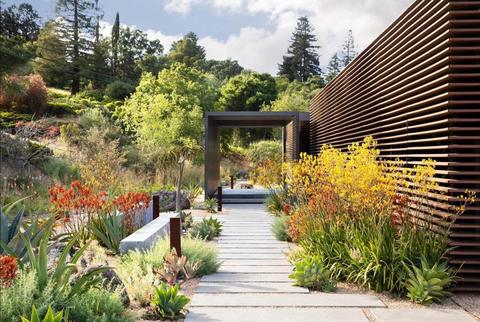
Landscape Design
Planting plans, materials and turf-conversion designs for commercial sites.
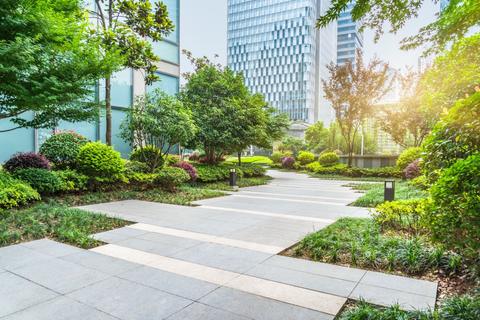
Landscape Management
Pruning, cleanups, seasonal color and routine upkeep on a set schedule.
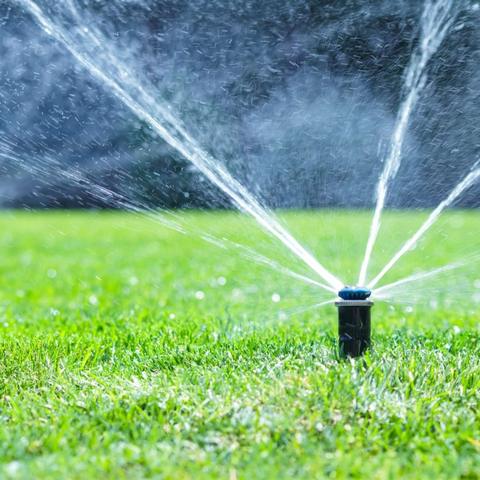
Water Management
Irrigation audits, smart controllers, drip conversions and AB 1572 planning.
Greener turf, smarter water.
We’ll walk your lawns, note what’s working and what isn’t, and send a written turf program with a clear price.
[email protected]Riverside & the Inland Empire